
Dan's Practical Resistance
The People UpstairsThis flow traces Dan Greene's movement from opposition to the pregnancy plan toward reluctant acceptance of its consequences.
increasing Bearing strength in each event
 decreasing
Bearing strength in each eventdecreasingReturn to Milotis
Return to Milotis
Emergency Calculation
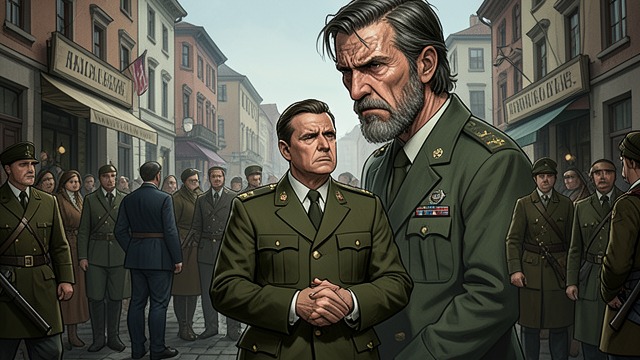
Dan argues that the child should be dealt with through the Bureau or that the family should return to Milotis. He focuses on medical safety, disciplinary consequences, and financial survival.
Fear of Disgrace
A return would mean dishonorable discharges and a life among people who could no longer adapt to their altered bodies. His practicality is therefore rooted in fear rather than indifference.
Dan's resistance protects the mission but threatens the family. He cannot yet imagine a solution that honors both.
Reluctant Consent
Reluctant Consent
Strategic Doubt
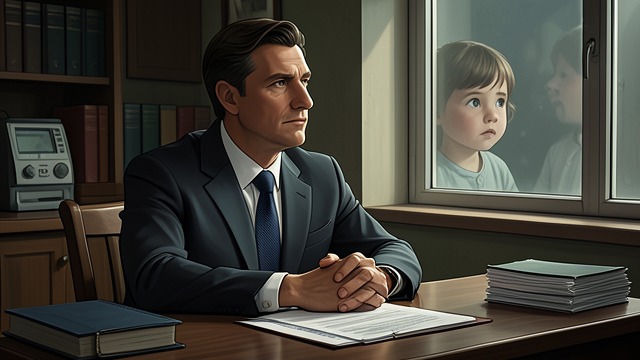
Dan predicts that school, medical examinations, and public life will eventually expose Terence. He also fears the child may identify with humans and reject hostile Milotan aims.
Limited Choice
Because the family has nothing to lose, he agrees to try May's plan. His consent is not enthusiasm but a recognition that parenthood has already made the old mission impossible.
Dan begins to act as both father and operative. Every practical objection he raises becomes part of the protection surrounding Terence.
The Waiting Father
The Waiting Father
Financial Anxiety
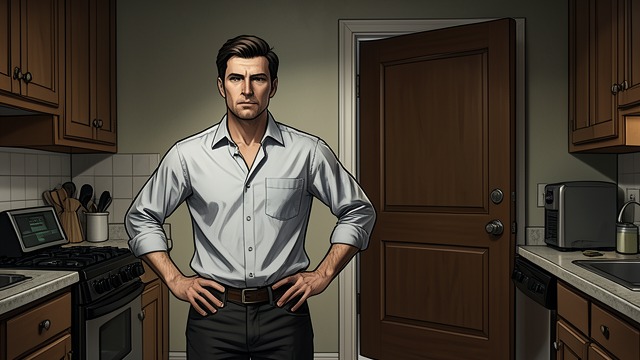
Dan watches school bills rise while May waits for the Bureau to acknowledge Terence. His frustration emerges through complaints about extras, washing, and the loss of household comforts.
Conditional Hope
He wants official recognition because it might bring an allowance and validate the sacrifice. Yet he also knows that recognition could expose the family to institutional judgment.
Dan's patience is stretched between economic reality and political expectation. His care appears as irritation because anxiety is the only emotional language he trusts.
immediately after May's diagnosis
during the decision to keep Terence on Earth
during Terence's school years
